
How AI helps you build a construction estimate, one step at a time
An estimate is a lot of reading, counting and chasing before anyone gets to price it. AI can take on the reading and the chasing. Your estimator keeps the pricing.
6 minute read

AI can help with construction estimating by listing the scope from the drawings, counting quantities into your sheet, chasing sub quotes and lining them up side by side. Your estimator still checks every number, sets the labour and decides the price.
- AI reads the drawings and specs and builds a first scope list by trade.
- It can count quantities from clear drawings into your own estimate sheet.
- It sends quote requests to your subs and reminds the slow ones.
- It lines up quotes so you can see what each price leaves out.
- Your estimator checks the work and sets the final price.
Why does an estimate take so long?
Ask any estimator where the week went. Most of it was not pricing. It was flipping through drawing sets, finding the latest spec, and phoning a mechanical sub for the third time.
A 2018 study by FMI and PlanGrid asked nearly 600 people in construction how they spend their week. On average, 35% of their work hours went to things like hunting for project data, fixing mistakes and sorting out conflicts. About 13% went to looking for project information alone. That was a US survey, but anyone who has bid a job in Ontario will know the feeling.
That kind of work is where AI is useful. It does not get tired of reading a 200 page spec book. It also does not forget to send the Tuesday reminder to the drywall sub.
Step 1: How does AI pull the scope from the drawings?
You upload the drawing set and the specs. An AI Employee reads them and builds a first scope list, sorted by trade. That is AI set up to work inside your email, files and spreadsheets, using rules your team gives it.
 Scope
On a small commercial fit out, the list might cover demolition, framing, drywall, doors, flooring, paint, plumbing, HVAC and electrical. Next to each item it notes the drawing or spec section it came from. So when your estimator asks where the fire rated doors came from, the answer is right there.
It also flags the gaps. Maybe the spec calls for a product the drawings never show. Or a note says the owner supplies the appliances. Those are the lines that cause trouble later, so they go to the top of the list for a person to read.
- Scope items grouped by trade, with the page they came from.
- Notes that change who pays, like owner supplied items or allowances.
- Spec items that do not show up on the drawings.
- Questions to send the architect before the bid closes.
Step 2: Can AI count the quantities?
On clear drawings with a known scale, yes. It can count doors and fixtures, measure wall lengths and work out floor areas. It puts those numbers into your own estimate sheet, in your columns, so nobody has to retype them.
Scanned plans, hand sketches and drawings with no scale are harder. The AI Employee should say when it is not sure. It should never guess a number to fill a cell. A marked cell that says check this is worth more than a clean total that is wrong.
Your estimator then spot checks the counts against the drawings. Most people start by checking everything. After a few jobs they know which items to look at closely, like openings, ceiling heights and anything on a revised sheet.
| Step | Done by hand | With an AI Employee |
|---|---|---|
| Scope list | Estimator reads every sheet and writes notes. | First list built by trade, with page numbers, for the estimator to check. |
| Quantities | Counted and measured, then typed into the sheet. | Counted from clear drawings into your sheet. Unsure items are marked. |
| Quote requests | Emails written one at a time. | Requests sent to your sub list with the right drawings attached. |
| Reminders | Sent when someone remembers. | Sent on the dates you set, until the price comes in. |
| Levelling | Quotes read side by side on a big desk. | Quotes put in one table, with missing items flagged. |
| Final price | Estimator and owner decide. | Estimator and owner decide. |
Step 3: Who chases the sub quotes?
This is the part most estimators hate. You send out 30 requests. Eight come back by the deadline. You spend Thursday on the phone asking the rest if they are still pricing it.
An AI Employee can send each request from your email with the right drawing pages attached. It keeps a list of who opened it, who said yes, and who has gone quiet. Then it sends polite reminders on the dates you pick.
- 01AI sends and tracks
- Quote requests go out with the right pages. The AI Employee keeps a list of who replied and when the next reminder is due.
- 02Your estimator answers
- Any question about scope, dates or price goes to a person. The AI Employee does not make promises for your company.
- 03You set the rules
- You decide how many reminders go out, how far apart, and which subs get a phone call from you instead.
When a sub writes back with a question, it does not answer anything about scope or price by itself. It passes the email to your estimator. Only the routine stuff goes out on its own, and only after you approve the wording.
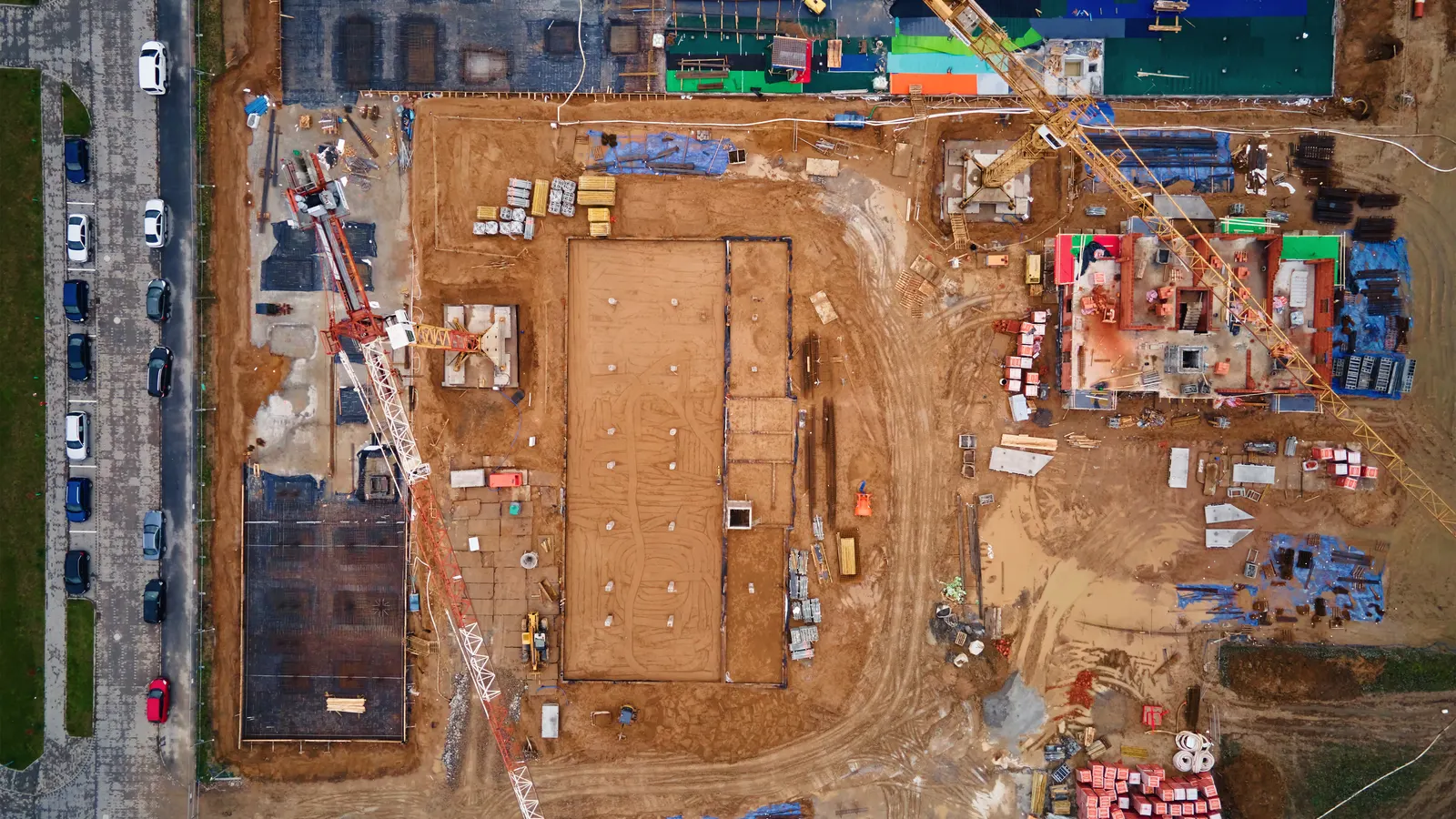
Let AI do the busy work. Your estimator still signs off on the number.
Step 4: How do you level quotes that do not match?
Three electrical quotes come in. One is $84,000, one is $91,000 and one is $96,500. The low one looks good until you read it and see it leaves out the fire alarm and the temporary power.
That is what levelling is for. The AI Employee reads each quote and puts the line items in one table. It marks what each sub included, what they left out, and what they wrote as an exclusion. Then you can see which number is really the lowest.


It can also add a plug number for a missing item, if you give it a rule. For example, carry your own price for temporary power when a sub leaves it out. Your estimator still decides if that plug is fair for this job. If you want to try this by hand first, the free Buyout Tool lets you level sub bids in one table.
The lowest quote is only the lowest once you know what it leaves out.
Step 5: What does the estimator still check?
Everything that needs site sense. AI does not know your crew is slower on a third floor walk up with no elevator. It does not know the client always changes the tile. It cannot tell that a winter start in Sudbury needs more heat and hoarding than one in Windsor.
So the estimator goes through the draft before it becomes a bid. Here is a simple order to follow.
- Check the scope list against the drawings and the latest addenda.
- Spot check quantities, starting with anything on a revised sheet.
- Set labour rates and crew sizes for this site.
- Read the levelled quotes and confirm each plug number.
- Add general conditions, risk and markup, then sign off.
Where should you start?
Pick the step that slows your team down most. For some contractors it is the quote chasing. For others it is retyping counts into a spreadsheet late at night.
Try it on one real bid. Have your estimator check every result and write down what was wrong. That tells you fast if the help is worth keeping.
Want to see what your estimates tend to miss? The free Estimate Gap Check takes two minutes and comes with an Excel estimate sheet.
VeebarTech is a Toronto company that sets up AI Employees for contractors. See how the estimating help works on a bid like yours.
Start with sub quotes
Choose this when Bids close with missing prices and your estimator is on the phone all week.
Let the AI Employee send requests and reminders for one bid. Your estimator only handles the replies that need a person.
Start with quantities
Choose this when Your estimator spends evenings typing counts into Excel.
Try one job with clear, scaled drawings. Compare the AI counts with your own before you trust them on the next one.
Start with the scope list
Choose this when Missed items keep showing up after you win the job.
Have the AI Employee build the scope list with page numbers. Your estimator reads it like a checklist before pricing.
Questions owners ask
Can AI do a full construction estimate by itself?
No, and you would not want it to. It can do the reading, the counting and the chasing. But it does not know your crew, your site or your client. Your estimator sets labour, checks the risky items and decides the price. Think of the AI work as a first draft that is ready sooner.
Does it work with our estimate spreadsheet?
That is the idea. Most small contractors price in Excel, and the AI Employee can fill in your sheet in your own columns. If you use estimating software, we would check what that program lets us connect to first. We would not ask you to switch tools.
What if the drawings are scanned or have no scale?
Then the counts are less reliable, and the AI Employee should say so. It marks those items for a person to measure. Clean PDF drawings from the architect work much better than a phone photo of a printed set.
Will the subs know an AI sent the quote request?
The requests come from your email, in your words, signed the way you choose. You approve the wording before anything goes out. If a sub calls back, they reach your estimator, not a robot.
How long does it take to set up?
It depends on how your office works today. A good start is one task on one live bid, like sending quote requests and reminders. Your team checks each result for a few weeks before you hand over more.